Character Archetypes in Military Thrillers
by Michael Blankenship
When I set out to write Ghost of Bosnia, I knew I wasn’t writing a typical military thriller. This is a character-driven novel rooted in the complicated emotions and memories that come with PTSD, manipulation, moral compromise, and the cost of truth. It’s a story where the battles fought within are as intense as those in the skies. I wasn’t just telling a story of war, guilt, and redemption—I was building a cast that readers would believe in. In military thrillers, characters often fall into familiar archetypes: the haunted leader, the loyal wingman, the moral compass, the ghost from the past, the hidden enemy. The challenge is to honor these archetypes while making them human, flawed, and real. Here’s a look at how I approached designing the main cast of Ghost of Bosnia.
Matt Briggs — The Haunted Pilot (a.k.a. The Ghost)
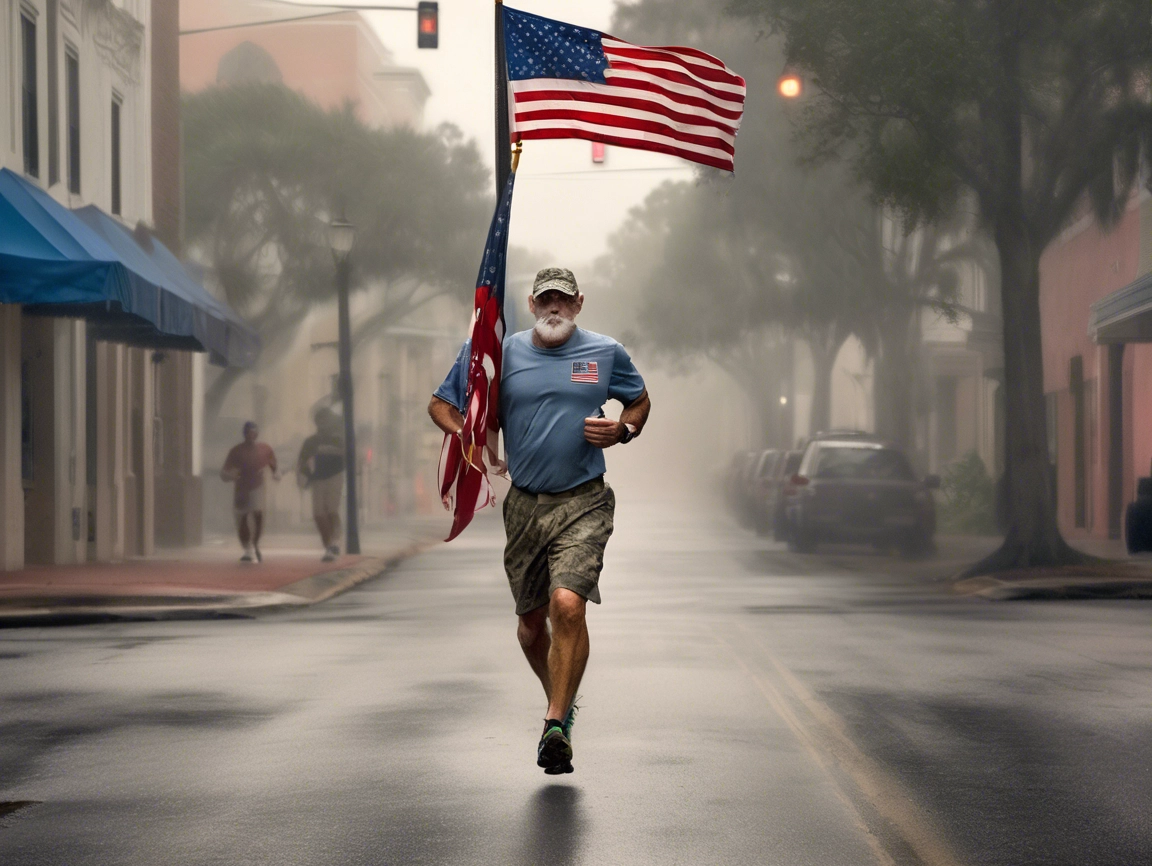
Matt embodies the classic “haunted veteran” archetype. He’s the man who did everything right by the book but still carries the crushing weight of unintended consequences. Readers of military fiction know this figure well—the ace pilot who walks away from the uniform but can’t outrun the war. With Matt, I wanted to avoid clichés of the stoic, invincible loner. His silence isn’t strength—it’s a scar. His routines in Alaska, his bond with his dog Tug, his ritualistic preflight checks—these are all coping mechanisms for trauma he hasn’t fully faced. What makes Matt unique is how much of his humanity peeks through the cracks: his loyalty to old friends, his readiness to act when it matters, and his quiet grief for lives lost under his command.
Jerry “Vandal” Carter — The Loyal Wingman with Guilt
Jerry began as the archetypal wingman—the brash, loyal pilot always ready to have your six. But in Ghost of Bosnia, loyalty isn’t simple. Jerry’s guilt mirrors Matt’s, but where Matt hides, Jerry self-destructs. I leaned into the archetype’s potential for complexity: Jerry’s wit masks a man running from his failures, and his return to Matt’s world isn’t heroic—it’s desperate. He’s the friend who brings the past crashing back, because he can’t bear to carry it alone anymore.
Max “Razor” Mitchell — The Moral Compass
Razor represents the conscience of the crew—the one who saw the moral cracks before the others did. In military fiction, this role is often filled by a doomed figure, the one who tries to warn the others or refuses to go along with the lie. Razor is the trigger who forces Matt and Jerry to confront their buried truths. Razor’s decency, and the way it isolates him, speaks to the cost of integrity in a world that punishes it.
Moose Thompson — The Grounded Ally
Every military thriller needs the steady figure who anchors the protagonist. Moose is that man. He’s not haunted by Sarajevo—he’s haunted by different ghosts, but he manages them with structure, purpose, and quiet competence. Moose fits the archetype of the reliable old comrade, but I wanted him to have his own depth. His watchfulness, his silences, his sense of when to speak and when to wait—they’re born of survival, not just loyalty. He’s the kind of man you want at your side when the storm hits.
Eve — The Voice of Reason (and Unseen Strength)
Eve plays the role of the operations coordinator, but beneath that she represents the unseen strength that holds fragile worlds together. In many military thrillers, this character is a background figure—the person on the radio, the one managing logistics. With Eve, I wanted to show that unseen doesn’t mean unimportant. Her calm under pressure, her subtle defiance of the chaos around her, and her unspoken bond with Matt all add layers to what might otherwise have been a flat archetype.
Lauren Harper — The Relentless Truth-Seeker
Lauren fits the archetype of the investigative outsider—the civilian who refuses to let the past stay buried. She’s a journalist, but also a stand-in for the reader’s own moral compass, asking the questions others won’t. What I wanted to add to this familiar role was vulnerability: Lauren isn’t fearless; she’s driven. Her pursuit of the truth isn’t about glory—it’s about justice for those forgotten, and a need to reconcile the idealism she once had with the corruption she uncovers. She’s a spark that forces the crew’s secrets into the light.
Nathaniel Whitaker — The Hidden Enemy (or Puppet Master)
Whitaker represents the manipulative authority figure—the man behind the curtain pulling the strings. In military fiction, this archetype can easily slip into caricature. I aimed to keep Whitaker grounded in realism: a man who believes in ends over means, whose cold calculations are masked by charm and competence. His danger lies not in overt villainy, but in the quiet confidence that he’s always the smartest man in the room—and that the cost of victory justifies any choice.
Evelyn Rhodes — The Keeper of Secrets
Evelyn fits the archetype of the insider with a conscience—the one who holds dangerous knowledge but must navigate a world of power and betrayal to survive. In many military thrillers, this character is often reduced to a plot device, but I wanted Evelyn to have agency and complexity. She’s smart, resourceful, and brave enough to take risks in the shadows, knowing the cost. Her voice on the radio, her hidden memos, her quiet defiance—these all reveal strength shaped by isolation and fear, not diminished by them.
Final Thoughts
Archetypes exist because they resonate. But in Ghost of Bosnia, my goal was to give them nuance—to let them breathe and bleed. The haunted pilot, the loyal wingman, the moral compass, the grounded ally, the voice of reason, the truth-seeker, the hidden enemy: these are the foundations. What makes them matter is how they fracture under pressure, how they surprise us, and how they remind us that war stories are, at their core, human stories.
If you’re a reader, I hope these characters felt real to you. If you’re a writer, I encourage you to start with archetypes—but don’t stop there. Dig deeper. The ghosts are waiting.