By Michael Blankenship
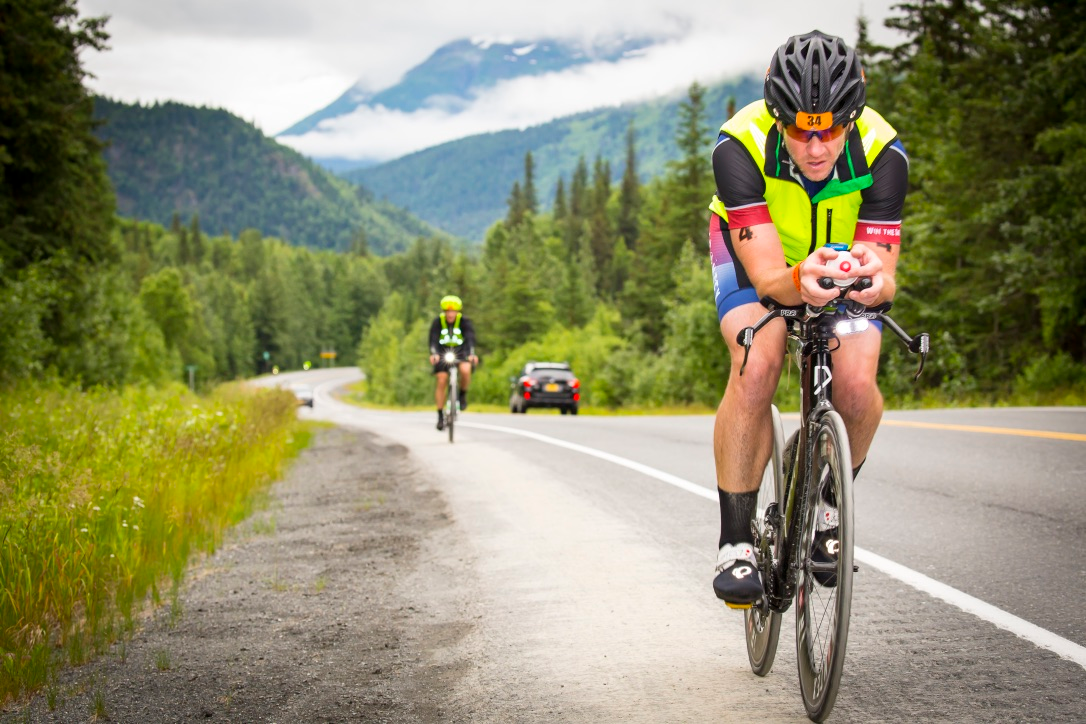
Some stories do not find me while I sit at my desk. Quiet hours, when the world is muted, bring them to me; I find them then, while cycling down a country highway, the hum of tires on asphalt filling the space where thoughts once lived. Or they visit me in the water, where the sound is muffled and the only rhythm is the rhythm of my breathing. It is here, away from the blinding cursor and the expectant page, where the stories speak.
I think of it like this: the land out there—the open highway, the seemingly limitless strip of highway which curves through cattle ranches and cornfields—it carries its own form of enchantment. The kind that creeps into your soul unexpectedly. I ride through that landscape, and mile after mile, I shed the noise of daily life. The frustrations, the deadlines, the expectations—they drop away, mile after mile, so that there is just the plain business of going on. It is then that I first hear them: the voices of the men and the women I never knew were waiting for me. They come in bits of talk, in bits of recollection. Sometimes they bring along the smell of the rain on the dust, or the groan of the screen door on the summer evening. They are like familiar acquaintances I have never met.
The pool is unchanged. There’s some kind of sanctity to the water, some age-old silence. I let go of a little more with every stroke. I release just a little more with every stroke. I reduce the world to muscle contractions, limb elongation, and breathing rhythms that keep me alive. Below the surface, where everything is haze and blur, the narrative takes shape. A scene once unavailable materializes. A why I could never fathom takes hold. There’s something in the water that sorts out everything untrue, leaving only what is relevant.
I did not go in search of stories in this way. It fell to me the way the river finds its course, through trial and error, through cutting its course through the landscape of my life. I had to learn to stop pushing the words on the desk, to stop struggling with thoughts unwilling to be tamed. I had to learn to go out and to listen. To allow the rhythm of the ride or the swim to do the hard work that thinking could not. There is humility in that. The stories are not to be commanded. They come in their own good time. It is my obligation to be there when they do.
And when I return to the desk, it is out of reverence. The spark is planted in me, and now I’m ready to fan the flames. It’s on the page that I shape and finish, where the voices of the spirits encountered along the way or in the river are translated into words. But I strive to take the lessons from the miles and the laps: patience, persistence, and listening more than I speak.
I believe all writers possess their own brand of romancing the muse. Some of theirs is found in the bustle of urban sidewalks, in noisy cafes filled with conversation. I find mine in movement, in solitude, in places where memory and imagination blur like fog over a northern lake. Out there, the past is close. The ground remembers. And if I am still enough, if I travel quickly enough, the stories materialize to meet me. So if somebody is going to ask where the ideas are, I tell the honest answer: they’re in the miles and the water, in the places where I stop working so hard and just release the land and the spirits to speak for themselves. That’s where the magic is. That’s where the stories begin.