
by Michael Blankenship
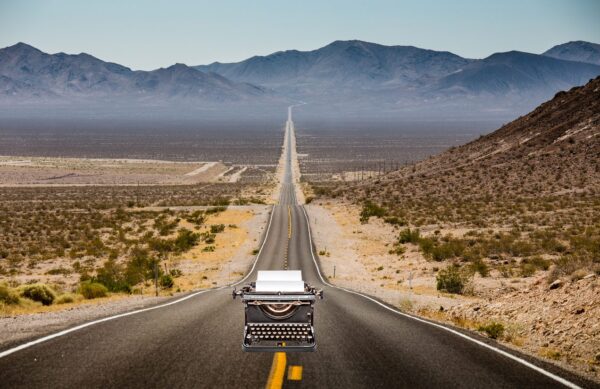
There’s a peculiar kind of silence at the start of an Ironman. Surrounded by athletes in wetsuits, hearts pounding and eyes scanning the still water ahead, there’s a quiet that isn’t really quiet—an internal reckoning, a hush before the roar. That same hush returned when I stared at the blank page of writing my first novel. It felt like standing at the edge of something vast and unknown, like the quiet just before the starter gun. I didn’t know if I was ready, or if I ever would be. But the pull to begin was stronger than the fear.
For years, writing was my secret world. Something I fit between long, punishing bike rides and sunrise runs. It lived in scribbled notes, half-formed thoughts, and quiet keystrokes when the rest of the house was still asleep. I never imagined those words would see the light of day—until they began to ask for it. The idea of sharing my first novel? Terrifying. It felt like running naked into a crowd. My words and characters hold pieces of me I wasn’t sure I wanted the world to see. But the story, persistent and patient, kept tugging. Just like every finish line I’ve ever chased, it dared me to move.
The First Lap: Wrestling With the Decision to Share My Words
When you stand at the edge of something you’ve never done before—whether it’s a rough ocean or a manuscript—you face yourself. The version that doubts. That whispers, What if this isn’t good enough?
I wrestled with that voice more than once. Every sentence I wrote felt like a risk. It wasn’t just about whether the story made sense; it was about whether I made sense through it. But I remembered how I’d once stood, wetsuit-clad and uncertain, before plunging into the unknown. I didn’t have to be fearless—just willing.
Open Water: Finding My Voice in the Chaos
The first draft was like a swim through murky water—disorienting, breathless, desperate for rhythm. Characters surfaced, then sank. Plot points drifted. I kicked hard, but direction felt elusive.
Yet, as in open-water swimming, there’s a kind of surrender required. You trust your training, your instinct. You breathe. Eventually, I found the cadence of my voice. It wasn’t loud or showy, but it was mine—honest, unpolished, persistent.
Biking Uphill: The Mental Grind of Drafting and Rewriting
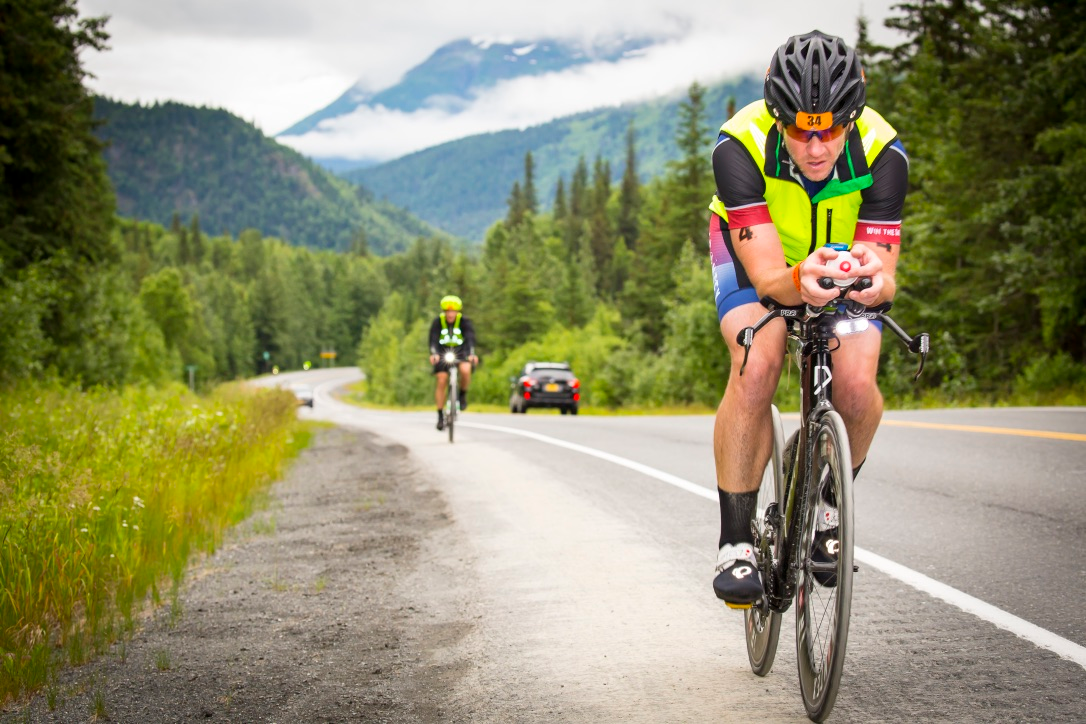
Writing a novel, like cycling up a relentless incline, demands stamina. The initial thrill fades. Momentum slows. Every turn of the pedals—or in this case, revision—feels heavier.
There were days I wanted to quit. Pages that didn’t work. Entire chapters rewritten. And like the bike leg of a race, it was long. Sometimes lonely. But always inching forward, fueled by something deeper than adrenaline—a need to finish what I started.
The Final Run: Learning to Trust the Story
There’s a shift that happens in the final leg of an Ironman. The body aches. The crowds blur. It becomes a mental game. That’s when you dig into why you began.
That’s also when the story began to speak for itself. I stopped fighting it. Trusted it. And in doing so, I found not just an ending, but a part of myself I didn’t know was there.
Crossing the Finish Line: Taking the Leap Toward Publication
Finishing the novel didn’t end the journey. In many ways, it was the real beginning.
Now, I’m deep in the process of finding representation. Researching agents, crafting query letters, navigating rejection. Each email sent feels like toeing the line of another race—uncertain, hopeful, alive with possibility.
And So I Continue
Writing, like endurance racing, is not about speed. It’s about persistence. It’s showing up, day after day, even when it’s hard, even when no one’s watching. I’ve crossed Ironman finish lines drenched in sweat and tears. Now, I chase a different kind of finish line—with ink-stained fingers and a heart wide open.
And just like in racing, I’m not looking for easy. I’m looking for real. And this journey? It’s as real as it gets.
One Response
This is very good Mike! I can’t wait to order your book! Please let me know when it will be available.